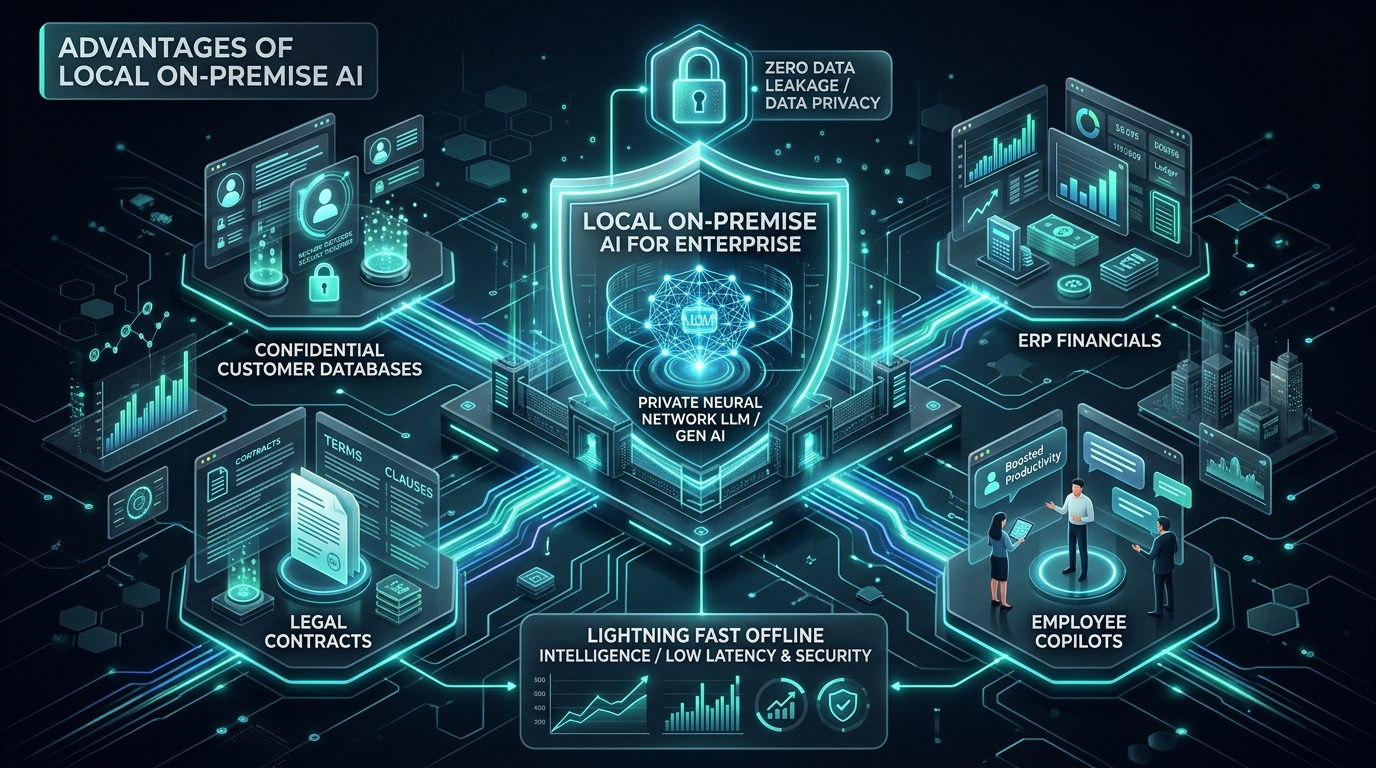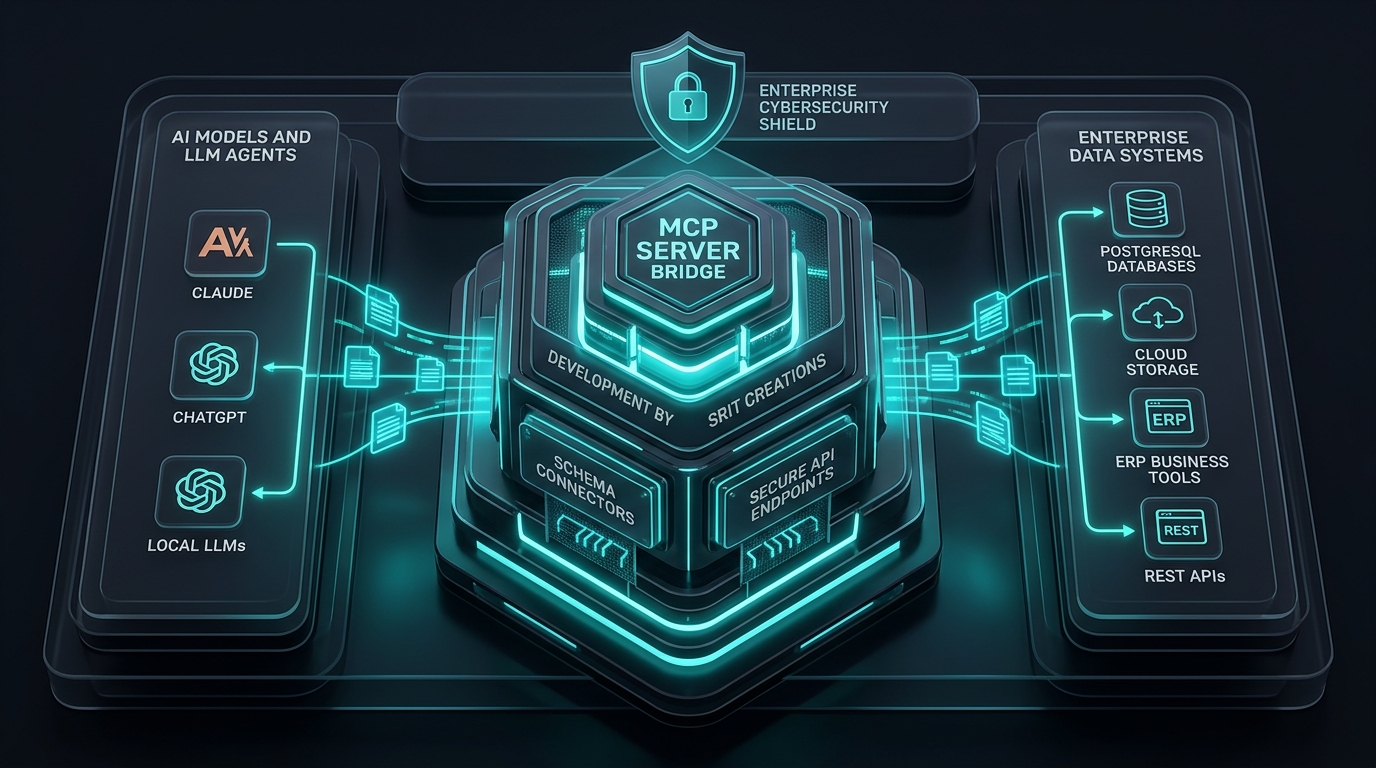

When enterprise leadership commits to building domain-specific corporate AI, engineering teams inevitably debate the fundamental architectural fork: Should we fine-tune an open model with LoRA/QLoRA, or should we build a dynamic Retrieval-Augmented Generation (RAG) pipeline? Choosing the wrong path wastes thousands of GPU hours and produces hallucinating models.
The Executive Comparison Matrix
| Dimension | Retrieval-Augmented Generation (RAG) | Parameter Fine-Tuning (LoRA) |
|---|---|---|
| Primary Purpose | Providing live, factual, external knowledge | Teaching new behavior, tone, style & syntax |
| Knowledge Update Speed | Instant (Seconds to add new PDF/row) | Slow (Requires retraining & re-quantization) |
| Source Hallucination Risk | Very Low (Grounds answers in retrieved citations) | Moderate (Can hallucinate memorized facts) |
| Compute & Upfront Cost | Low (Standard PostgreSQL + Embeddings) | High (Requires GPU clusters for training runs) |
Architect Your Domain-Specific AI Solution
Consult with SRIT machine learning architects to select the right approach for your data.
Schedule Architecture Session